


Tomicus destruens treatment
Wood-boring insect responsible for pine tree decline in Sardinia
Tomicus Treatment
A serious threat to pine trees in Sardinia
Tomicus destruens, commonly known as the pine shoot beetle, is a wood-boring beetle belonging to the Curculionidae – Scolytinae family. It is currently considered one of the main phytophagous insects responsible for pine tree decline in Sardinia.
Its spread particularly affects Pinus pinea (stone pine), Pinus halepensis (Aleppo pine), and, to varying degrees, other conifer species present across the region, especially in urban, peri-urban, and coastal environments.
Infestations caused by Tomicus destruens lead to progressive, often irreversible physiological alterations that compromise the stability and vitality of affected trees, with serious consequences for Sardinia’s arboreal and landscape heritage. For this reason, a targeted Tomicus Treatment approach is essential to limit damage and preserve pine stands.
The biological cycle of Tomicus destruens
Understanding the biological cycle of Tomicus destruens is essential for proper phytosanitary management and for planning effective control strategies.
The insect completes most of its life cycle within the woody tissues of the host plant. Adults overwinter mainly inside trunks or in the surrounding soil and, as spring temperatures rise, colonize pine trees that are already weakened or subjected to environmental stress such as drought, soil compaction, or nutrient deficiencies.
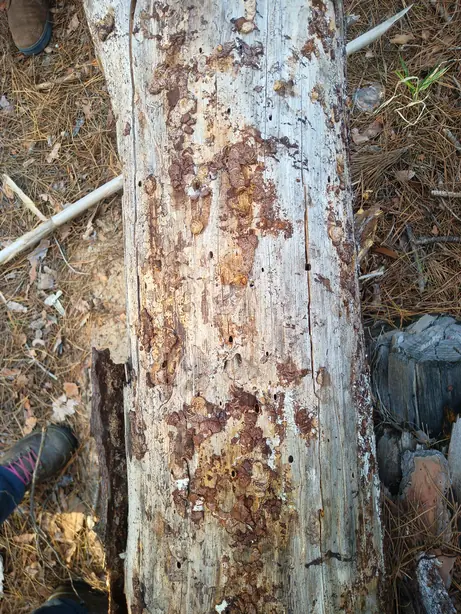
Females lay their eggs beneath the bark, excavating longitudinal galleries within the phloem and cambium. Once the eggs hatch, larvae begin intense feeding activity, creating a network of secondary tunnels that disrupt sap flow and compromise the transport of water and nutrients.
Larval activity and subsequent metamorphosis lead to a gradual physiological decline of the tree, which can result in death within a few years if no timely Tomicus Treatment is applied.
How to recognize a Tomicus destruens infestation
One of the most critical aspects of Tomicus destruens infestations is the limited visibility of symptoms in the early stages, which often delays diagnosis.
The main signs of infestation include:
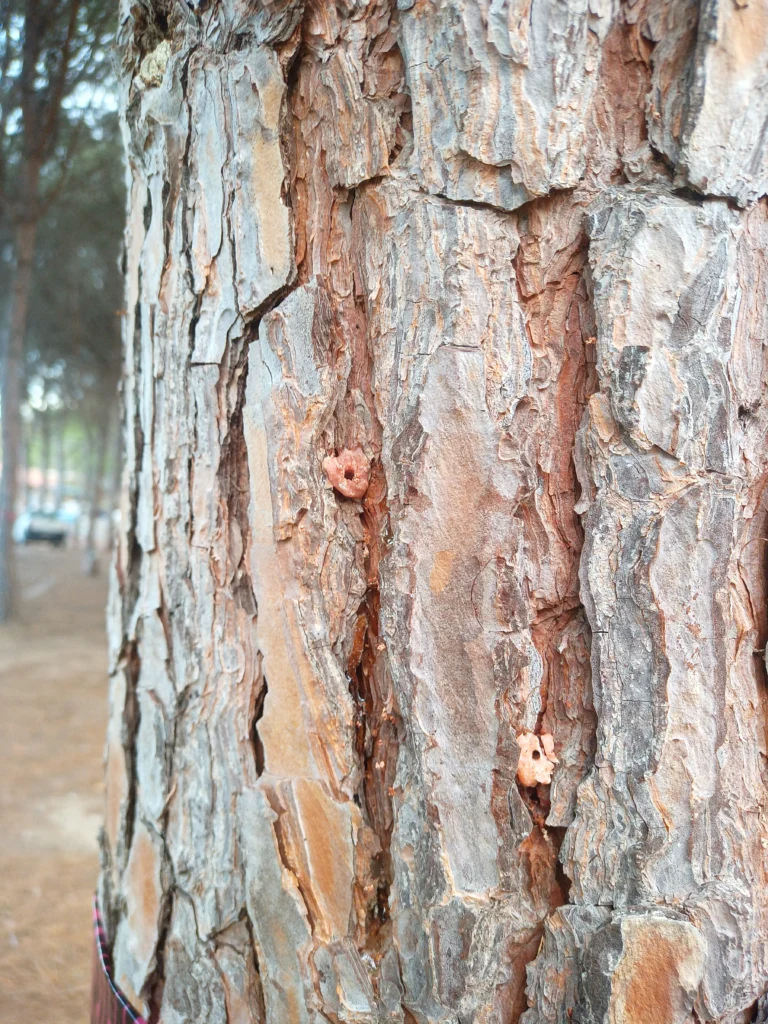
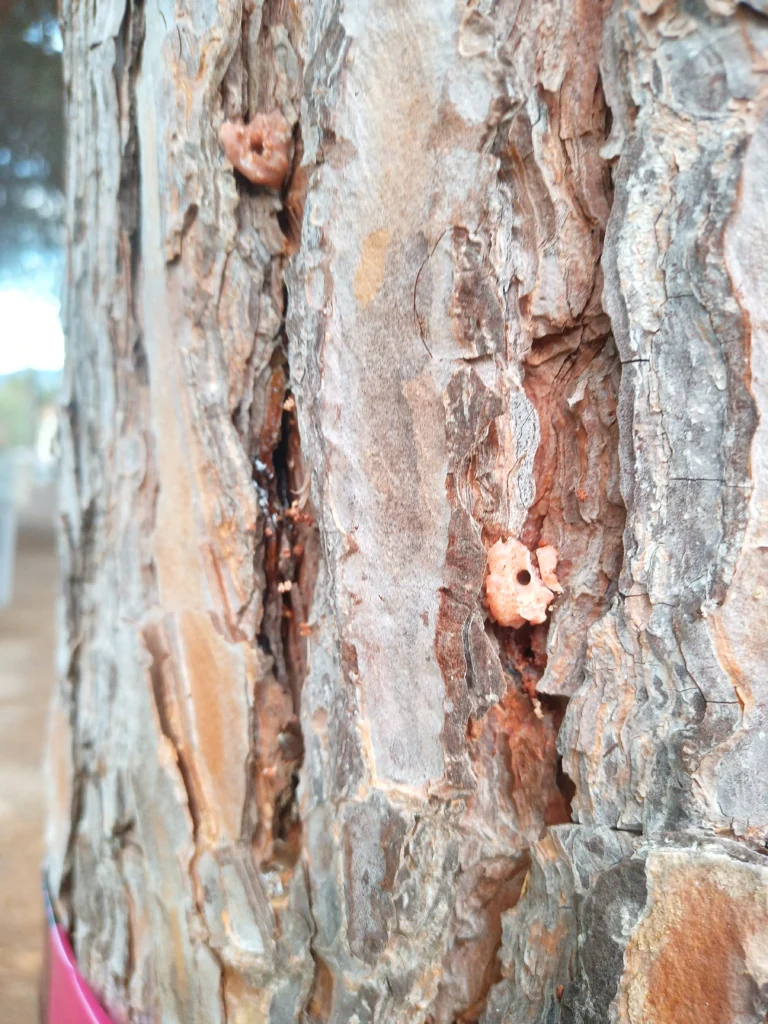
- emergence holes in the bark, often accompanied by wood dust or fine sawdust at the base of the trunk
- localized resin exudations, sometimes hardened, as a defensive response by the tree
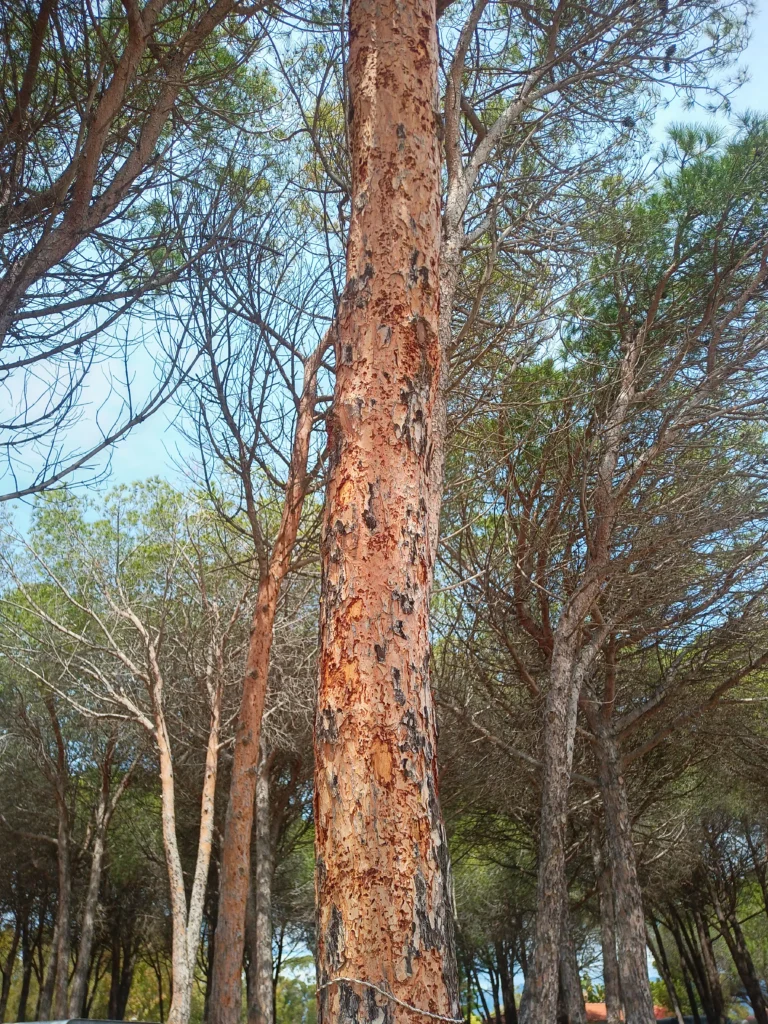
- progressive yellowing of needles, followed by dieback of apical branches
- thinning of the canopy and overall loss of vegetative vigor
These symptoms indicate advanced impairment of vascular tissues and require immediate professional phytosanitary assessment.

Physiological and structural damage to pine trees
The damage caused by Tomicus destruens is the direct result of the destruction of conductive tissues and the overall weakening of the tree.
The interruption of sap flow leads to:
- chronic water stress
- reduced photosynthetic activity
- loss of natural defensive capacity
In Sardinia, these effects are intensified by Mediterranean climatic conditions, characterized by hot summers and prolonged drought periods, which make pine trees particularly vulnerable to pine shoot beetle attacks.
Untreated trees can also become infestation hotspots, facilitating the spread of the pest to healthy pines in surrounding areas.
The importance of phytosanitary prevention
In the case of Tomicus destruens, prevention is the most effective strategy.
Once an infestation becomes widespread, the chances of tree recovery are significantly reduced.
Preventive interventions help to:
- strengthen the plant’s vegetative condition
- reduce attractiveness to the pest
- interrupt the insect’s biological cycle
Regular monitoring, especially during critical periods of the year, is essential to detect early warning signs and plan timely Tomicus Treatment interventions.
Control strategies and integrated management
Managing Tomicus destruens requires an integrated approach based on multiple levels of intervention.
Key strategies include:
- continuous phytosanitary monitoring
- use of specific traps to control adult populations
- agronomic practices aimed at reducing plant stress
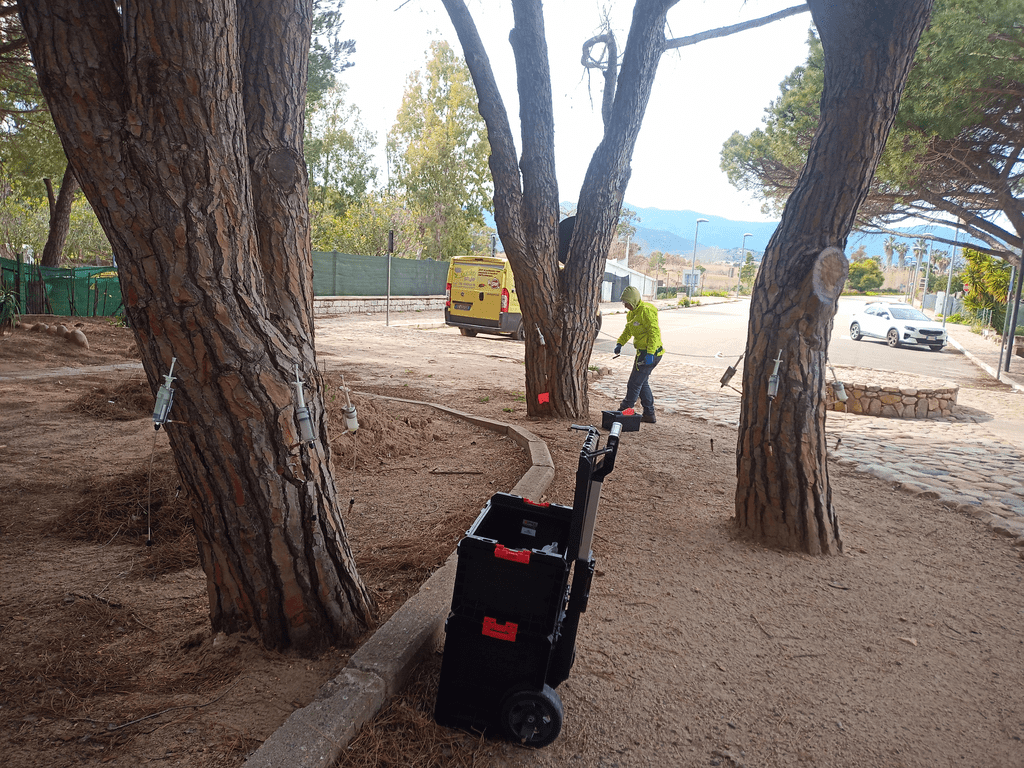
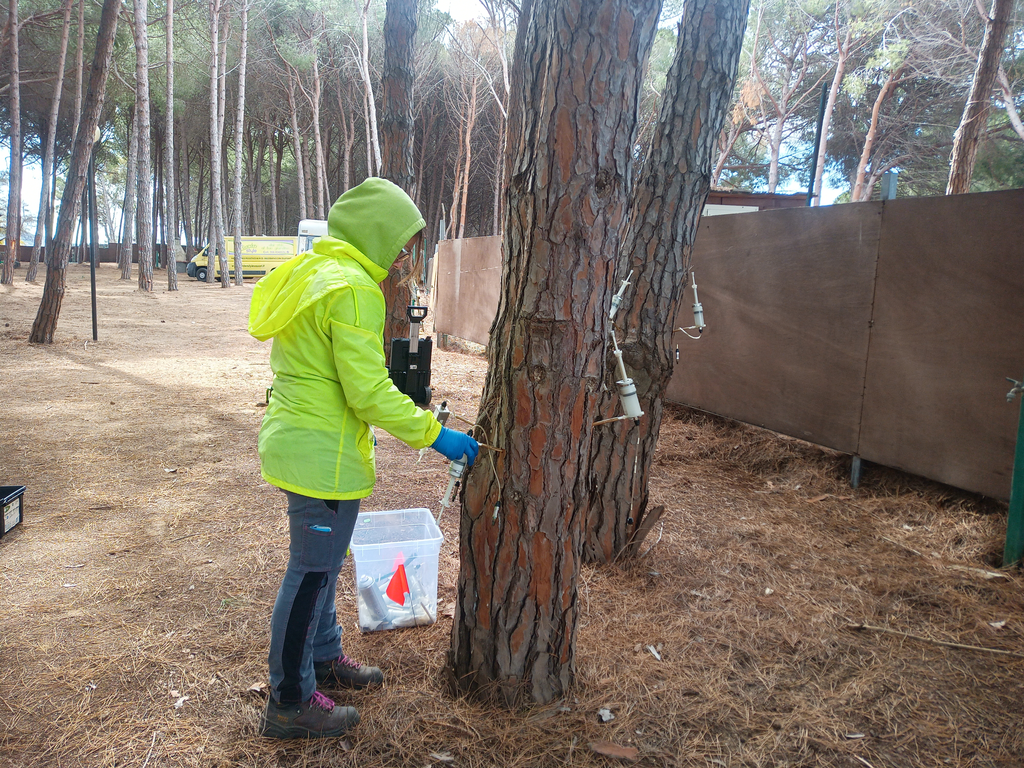
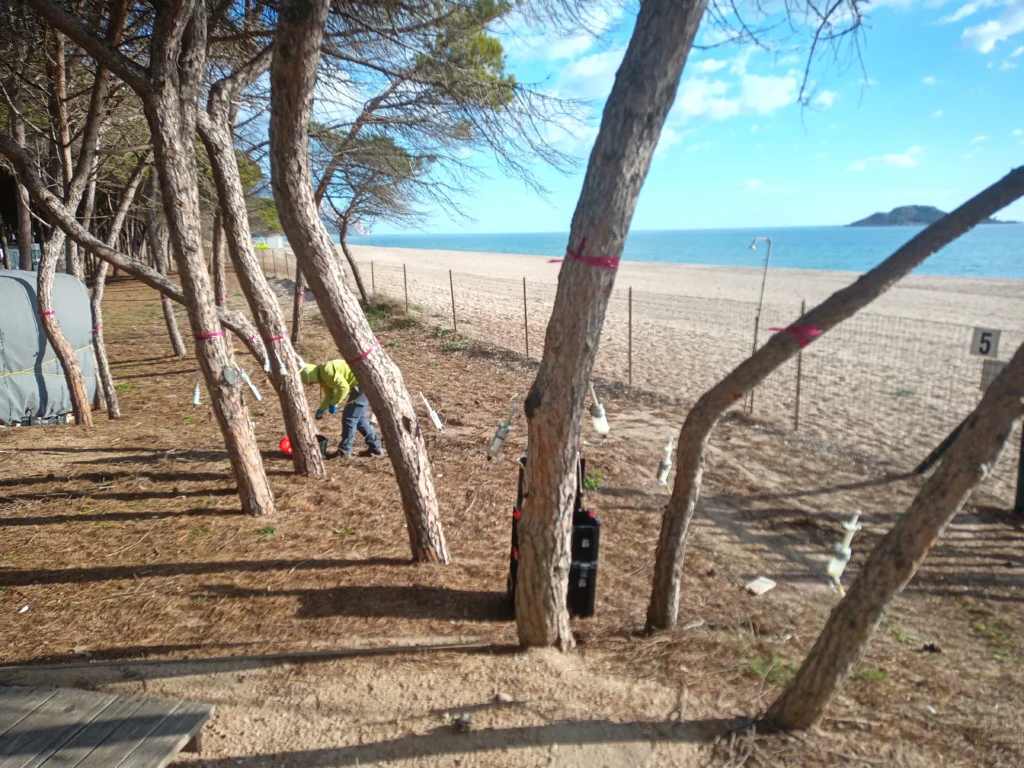
- targeted treatments, including endotherapy, where appropriate
The goal is not only to contain the pest, but also to restore the tree’s physiological balance, reducing the risk of future infestations.
Experience and results in Sardinia
In Sardinia, the application of integrated prevention and control strategies has produced concrete results.
Pine trees subjected to regular monitoring and targeted interventions have shown:
- a significant reduction in Tomicus destruens attacks
- improved vegetative condition
- greater resistance to environmental stress
These outcomes confirm the importance of professional and ongoing management of pine tree heritage.
Conclusion
Tomicus destruens represents one of the most serious phytosanitary threats to pine trees in Sardinia.
However, through prevention, early diagnosis, and targeted interventions, it is possible to contain the problem and preserve trees of high environmental and landscape value.
GardenStyle operates with a technical and agronomic approach, providing specialist assessments and tailored solutions for the protection of pine trees.
Acting in time is essential.
A professional consultation can make the difference between the recovery of the tree and its irreversible loss.



