


Mycorrhizal treatment for plants
Soil biological balance
Mycorrhizal soil treatment
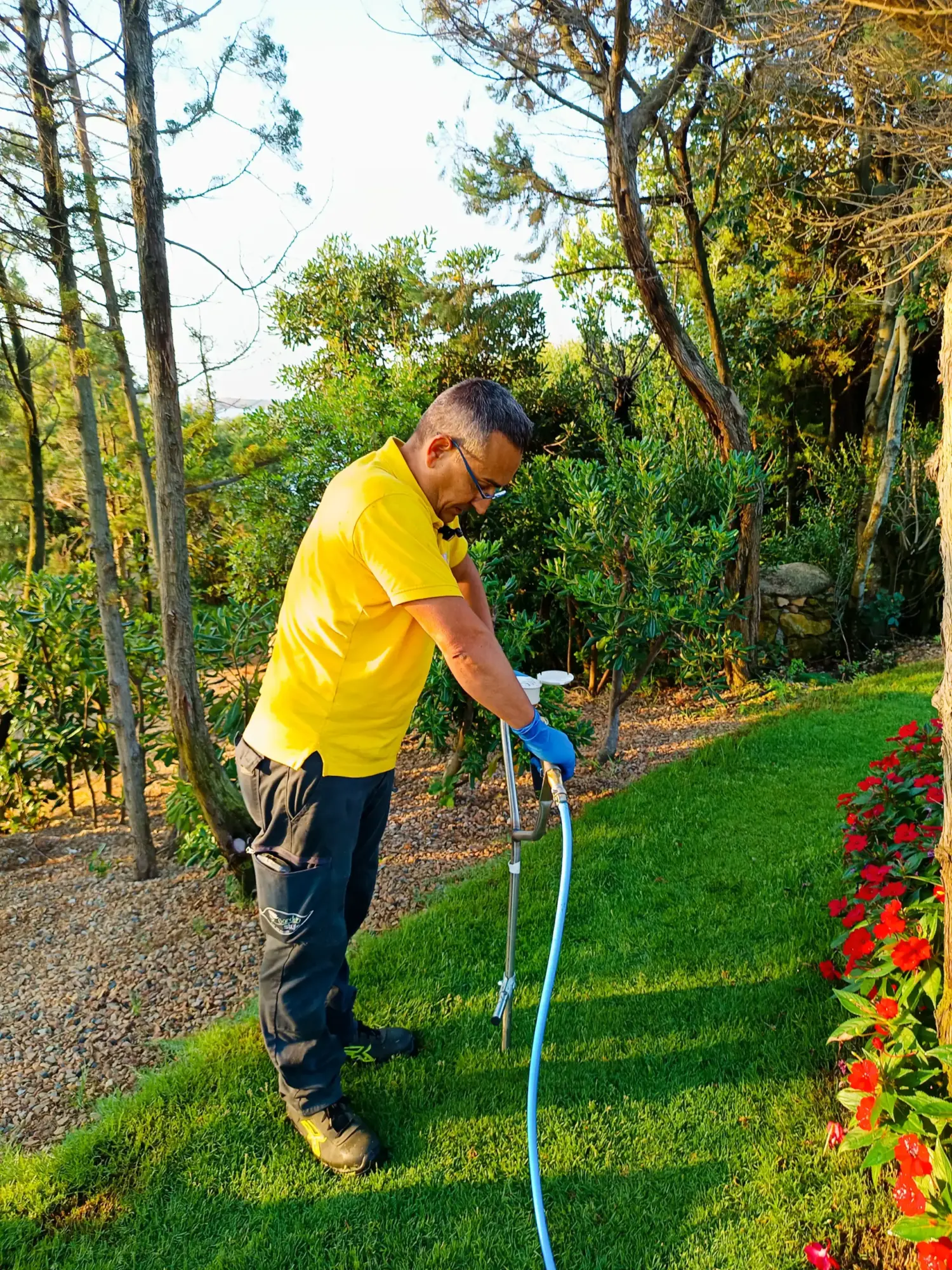
Plant health largely depends on what happens below ground.
Roots, microorganisms, and soil form a complex system in which each component plays a fundamental role. Mycorrhizal fungi are an integral part of this balance and represent one of the plant’s most important natural allies.
Mycorrhizal soil treatment is an agronomic practice designed to improve soil conditions and strengthen the root system, supporting more stable and long-lasting plant development.
What are mycorrhizal fungi
Mycorrhizal fungi are soil microorganisms that establish a natural symbiotic relationship with plant roots.
Through this interaction, both organisms benefit: the fungus enhances the absorption of water and nutrients, while the plant supplies sugars produced through photosynthesis.
Under natural conditions, this relationship develops spontaneously. However, in many urban and residential environments, soils have lost much of their microbial biodiversity. In these cases, targeted mycorrhizal soil treatment helps restore a compromised biological balance.
Why soil is often no longer balanced
In gardens, tree-lined areas, and green spaces across Sardinia, soil is frequently affected by:
- compaction
- poor oxygenation
- reduced biological activity
- repeated water stress
- non-targeted interventions over time
These conditions restrict root development and make plants more vulnerable to environmental and physiological stress, even when no visible diseases are present.
Mycorrhizal soil treatment
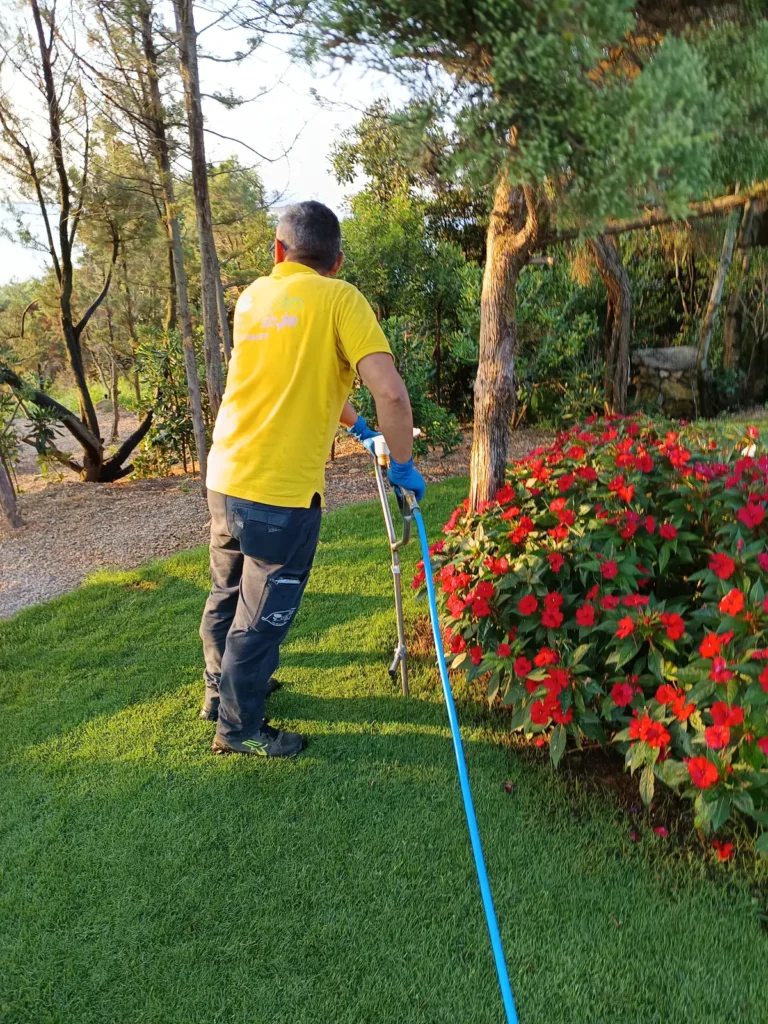
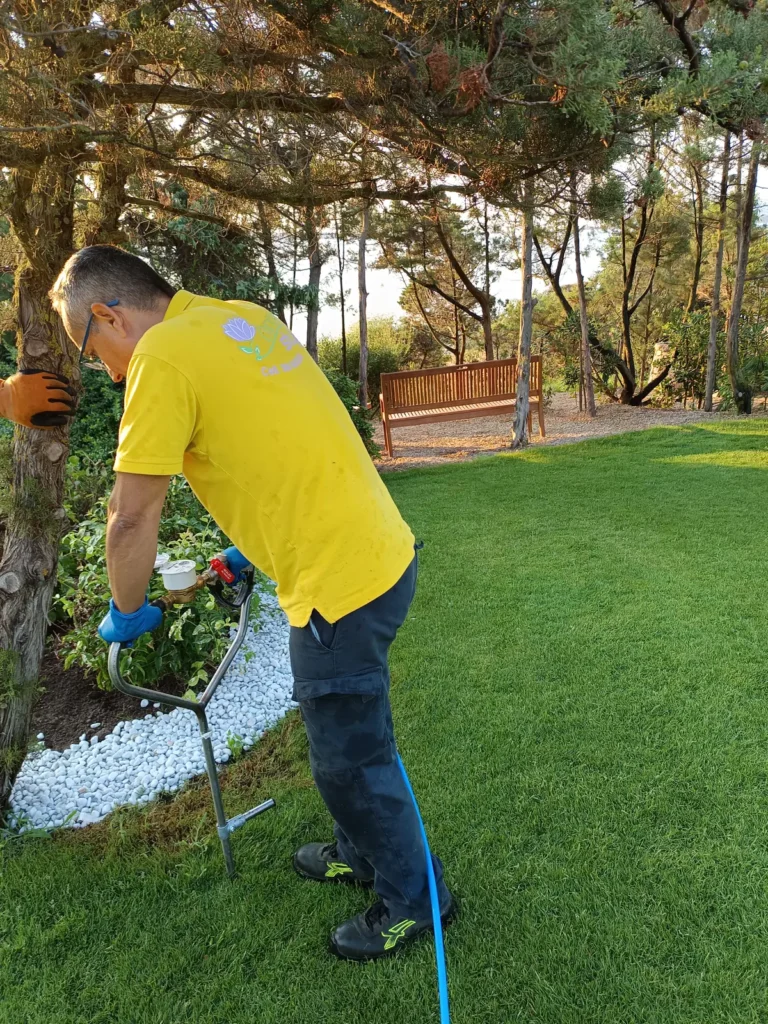
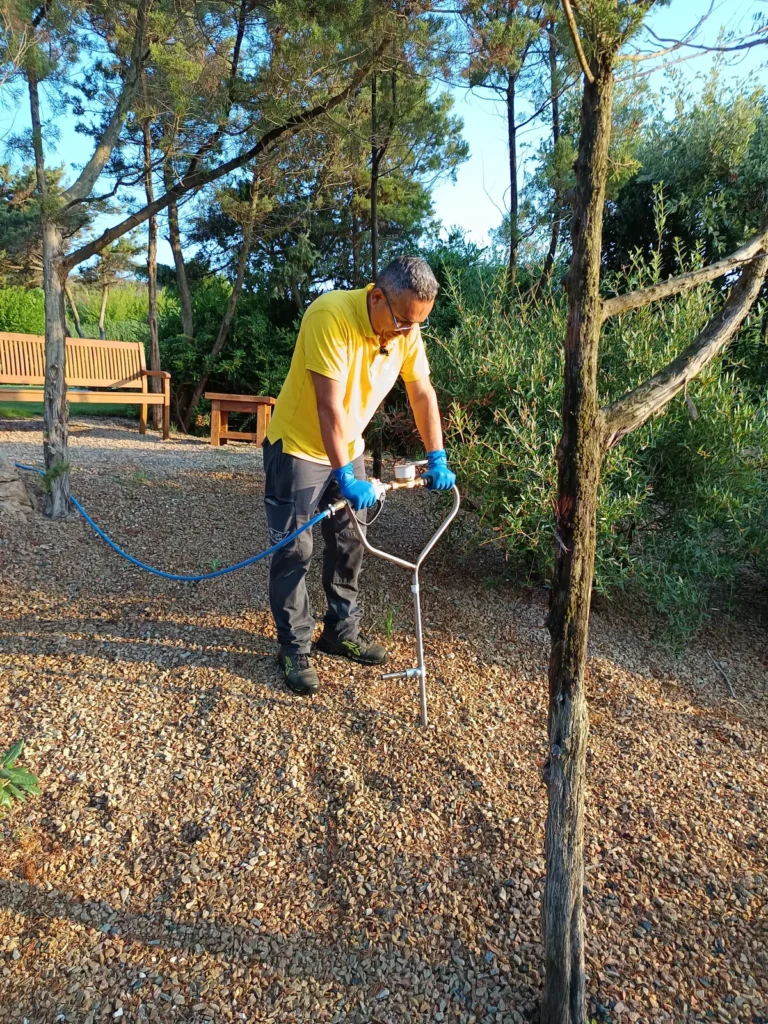
Mycorrhizal soil treatment is applied directly to the soil within the root zone, using professional techniques such as localized injection.
This approach allows us to:
- deliver the product deep into the soil
- minimize surface dispersion
- promote direct contact between mycorrhizae and roots
- respect the plant’s natural physiology
It is not a traditional fertilization method, but a biological intervention focused on the soil–root system.

What problems it can help address
The use of mycorrhizal fungi is recommended in the presence of:
- plants with slowed growth
- weak or stressed root systems
- poor or degraded soils
- plants exposed to water stress
- difficulty in nutrient uptake
The treatment does not act on visible symptoms, but works on the underlying causes of vegetative imbalance.
Benefits for both plant and soil
Over time, the activity of mycorrhizal fungi leads to several observable improvements:
- increased functional root surface area
- improved water and nutrient absorption
- greater resistance to environmental stress
- more balanced vegetative growth
- improved soil biological structure
The benefits are not immediate, but gradual and long-lasting, in line with the plant’s natural development cycles.
An agronomic, non-standardized approach
Every plant and every soil has specific characteristics.
For this reason, mycorrhizal soil treatment is always preceded by a technical assessment that takes into account:
- plant species
- overall health condition
- soil characteristics
- climatic context
In Sardinia, where soils and environmental conditions can vary significantly, this approach is essential to achieve effective and consistent results.
Why acting on the soil is a conscious choice
Focusing only on the above-ground part of the plant often means managing effects without addressing the causes.
Mycorrhizal soil treatment, instead, strengthens the plant starting from the roots, improving its long-term ability to adapt and thrive.
It is a suitable choice for those seeking a green management approach based on balance, prevention, and respect for natural processes.
Conclusion
Mycorrhizal fungi are an effective agronomic tool to improve soil quality and support plant health in a natural and long-lasting way.
Each intervention must be carefully evaluated, as there is no one-size-fits-all solution.
A technical site inspection makes it possible to determine whether this treatment is suitable and how it should be applied correctly.



