


Oak Phytophthora Disease
Phytophthora Root Rot
Oak Phytophthora Disease ( Phytophthora Root Rot )
Phytophthora Root Rot is a disease of fungal origin that primarily affects the root system and the root collar of several oak species.
It is typically a slow and progressive disease that, over time, can compromise the tree’s physiological stability, reducing vigor, water uptake capacity, and resistance to environmental stress.
In Sardinia, Phytophthora Root Rot in oaks is an issue of growing agronomic concern, especially in areas characterized by heavy soils, waterlogging, and climatic conditions favorable to pathogen development. Proper knowledge of the disease is essential to recognize early warning signs and to implement effective management strategies.
Disease overview
The term Phytophthora refers to a genus of microorganisms belonging to the Oomycetes, often described as “fungus-like organisms,” responsible for numerous root and collar diseases in forestry and ornamental contexts.
In the case of Phytophthora Root Rot in oaks, the pathogen colonizes fine absorbing roots and the root collar, interfering with normal water and nutrient uptake processes. The result is a progressive loss of root system functionality, which is reflected in the overall vegetative condition of the oak tree.
The disease does not appear suddenly but develops gradually over time, often making early diagnosis difficult without careful agronomic observation.
Oak species affected
Phytophthora Root Rot can affect several species within the genus Quercus, including:
- Quercus ilex (Holm oak)
- Quercus suber (Cork oak)
- Quercus pubescens
- Quercus cerris
In Sardinia, evergreen species and those growing in hilly and coastal environments are particularly exposed, especially when planted in poorly draining or compacted soils.
Conditions favoring Phytophthora development
The development of Phytophthora Root Rot in oaks is strongly influenced by environmental and management factors. The main predisposing conditions include:
- Prolonged waterlogging, which facilitates pathogen spread in the soil
- Heavy or poorly structured soils with low aeration
- Alternating water stress, typical of Mediterranean environments
- Root damage caused by excavation work or soil compaction
- Improper irrigation management in urban or ornamental settings
These factors do not directly cause the disease but create conditions favorable to the establishment and spread of Phytophthora.
Symptoms and warning signs
One of the most challenging aspects of Phytophthora Root Rot in oaks is the lack of specific early symptoms, which can easily be confused with other forms of stress.
The most common signs include:
- Reduced vegetative vigor
- Progressive yellowing of the canopy
- Leaf thinning
- Slowed growth
- Localized wilting, especially during warmer periods
In more advanced stages, collar necrosis, dark exudations, and a general deterioration of the tree’s physiological condition may occur.
Physiological effects on the tree
Phytophthora primarily affects the functionality of the root system.
Reduced water and nutrient uptake leads to a water imbalance that impacts the entire tree, making it more vulnerable to additional biotic and abiotic stresses.
Over time, an oak affected by Phytophthora may lose its ability to self-regulate, showing a progressive decline in vegetative stability and a reduced response to conventional agronomic interventions.
Areas affected
The disease involves three closely connected zones:
Root system (initial stage)
- Attacks fine absorbing roots
- Reduces the tree’s ability to absorb water and nutrients
👉 the oak experiences water stress even when the soil is moist
Root collar (critical zone)
- The pathogen progresses toward the transition area between roots and trunk
- Causes necrosis of cortical tissues and the cambium
- Possible observations include:
- dark discoloration beneath the bark
- dark exudations
- bark detachment
Base of the trunk
- In advanced cases, damage becomes vascular
- Sap flow is compromised
Importance of early diagnosis
Identifying Phytophthora Root Rot in oaks at an early stage is crucial to limit disease progression.
Timely diagnosis makes it possible to:
- Assess the extent of root damage
- Identify predisposing conditions
- Implement targeted management strategies
Visual inspection, while useful, should always be supported by a technical assessment, especially in high-value environmental or urban settings.
Before treatment
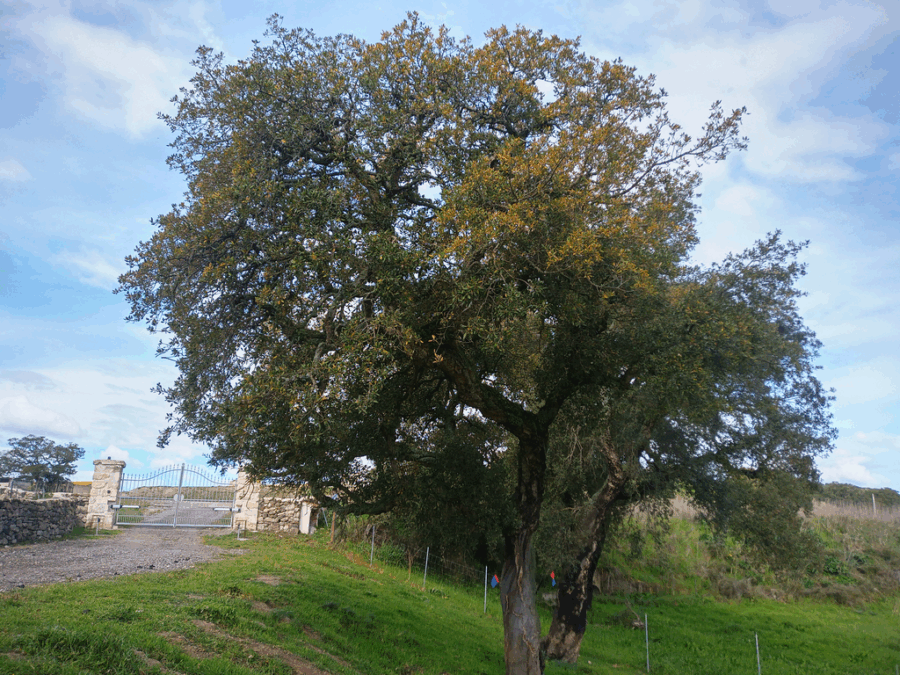
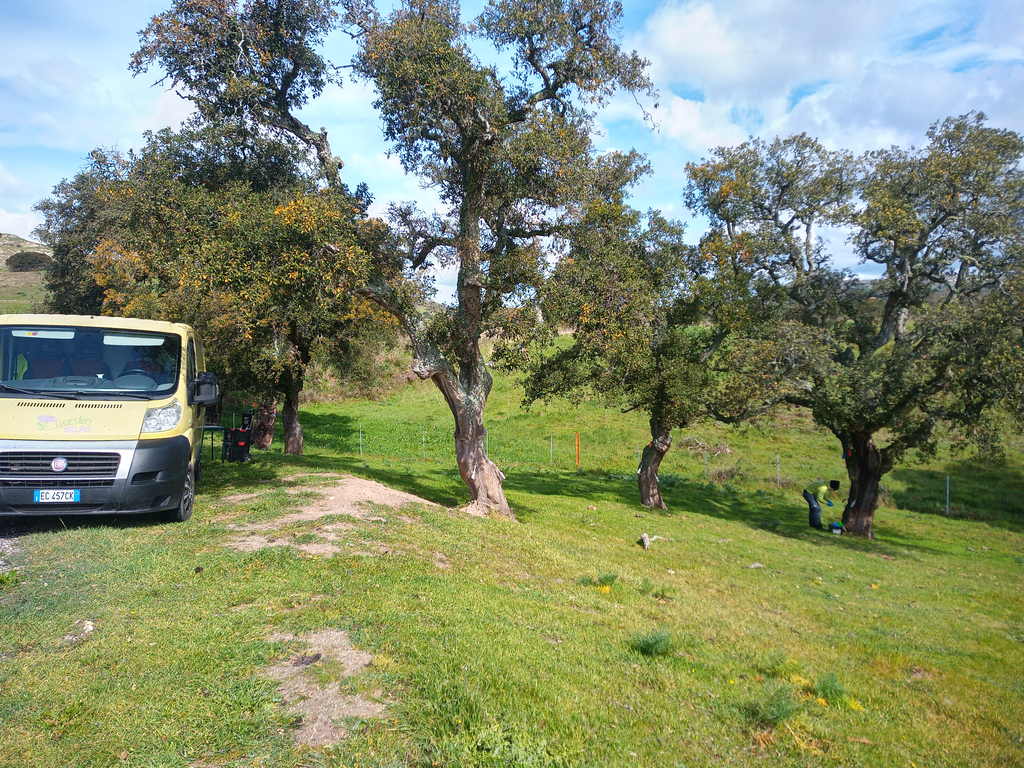
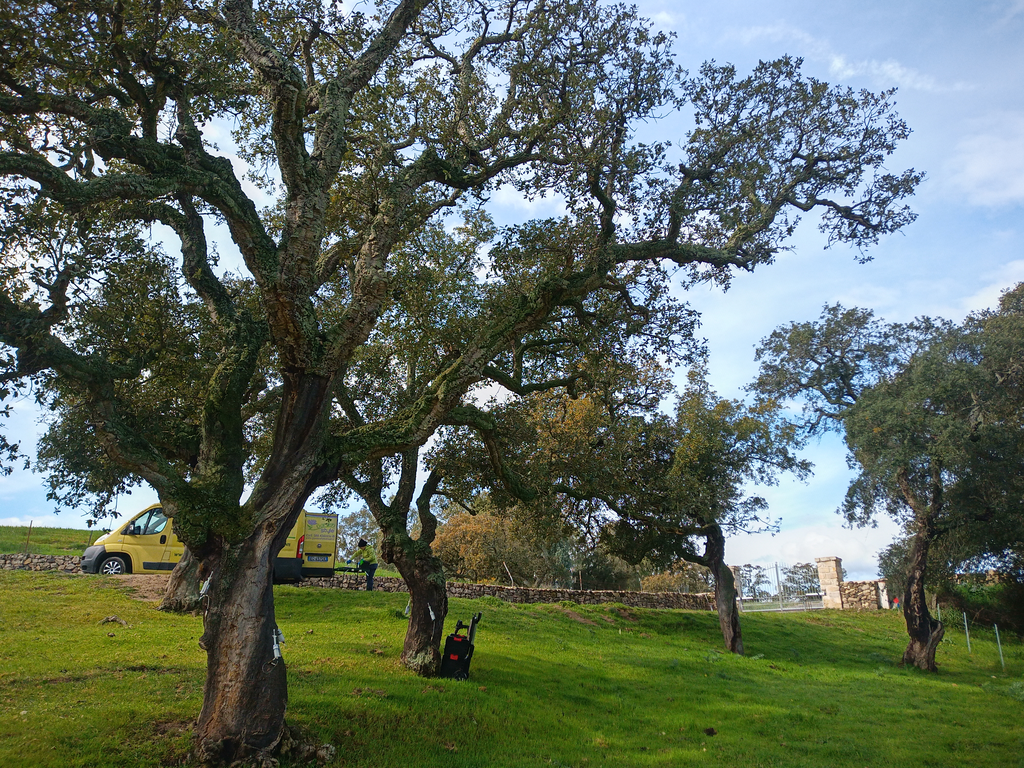
Prevention and management strategies
Managing root and vascular diseases such as Phytophthora Root Rot requires an integrated approach that addresses both the tree and the soil.
GardenStyle adopts targeted and complementary strategies, based on specific technical and agronomic assessments.
Endotherapy allows active ingredients to be delivered directly into the tree’s vascular system, ensuring a targeted and effective action while reducing environmental dispersion and limiting vegetative stress.
🔹 Soil treatments with injection probe
To support endotherapy, soil treatments are carried out using an injection probe, aimed at improving root system conditions and the surrounding soil.
This type of intervention works at depth, promoting:
- restoration of soil biological balance
- reduction of root stress
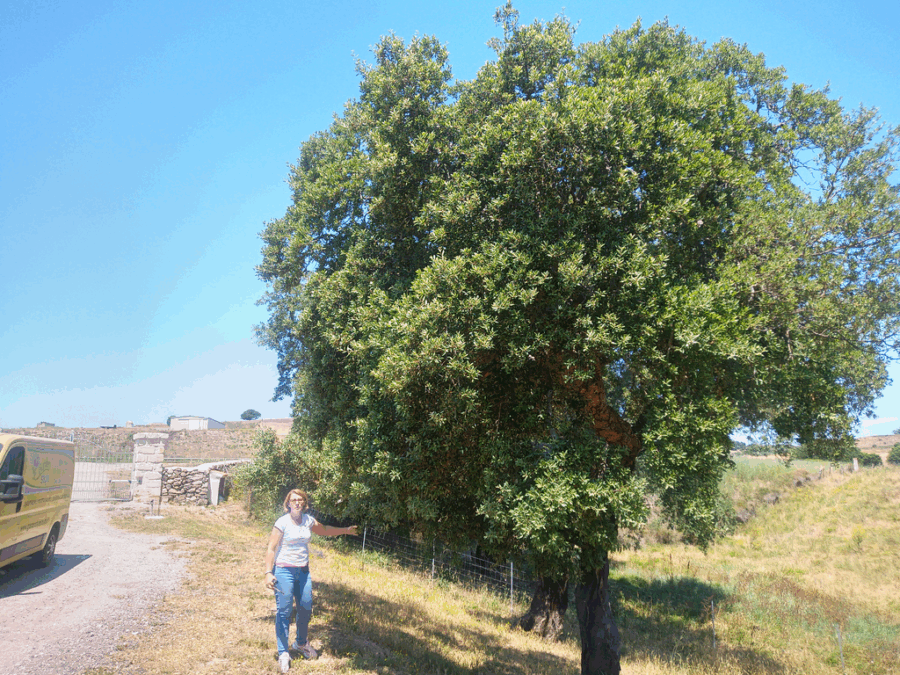
After treatment
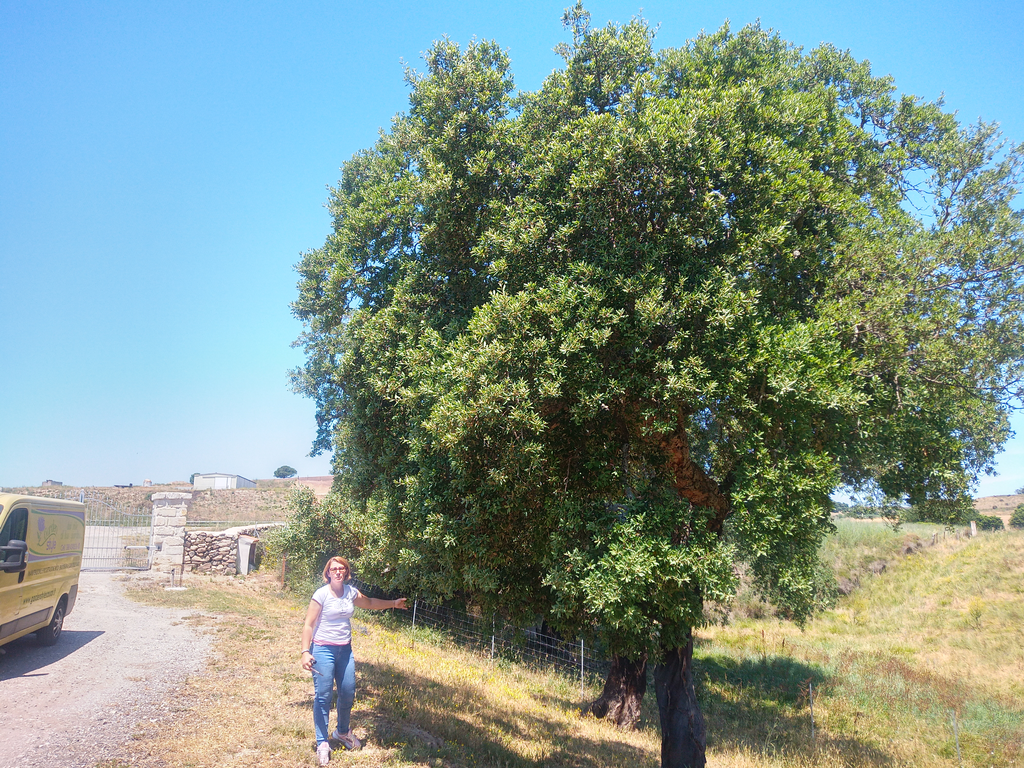
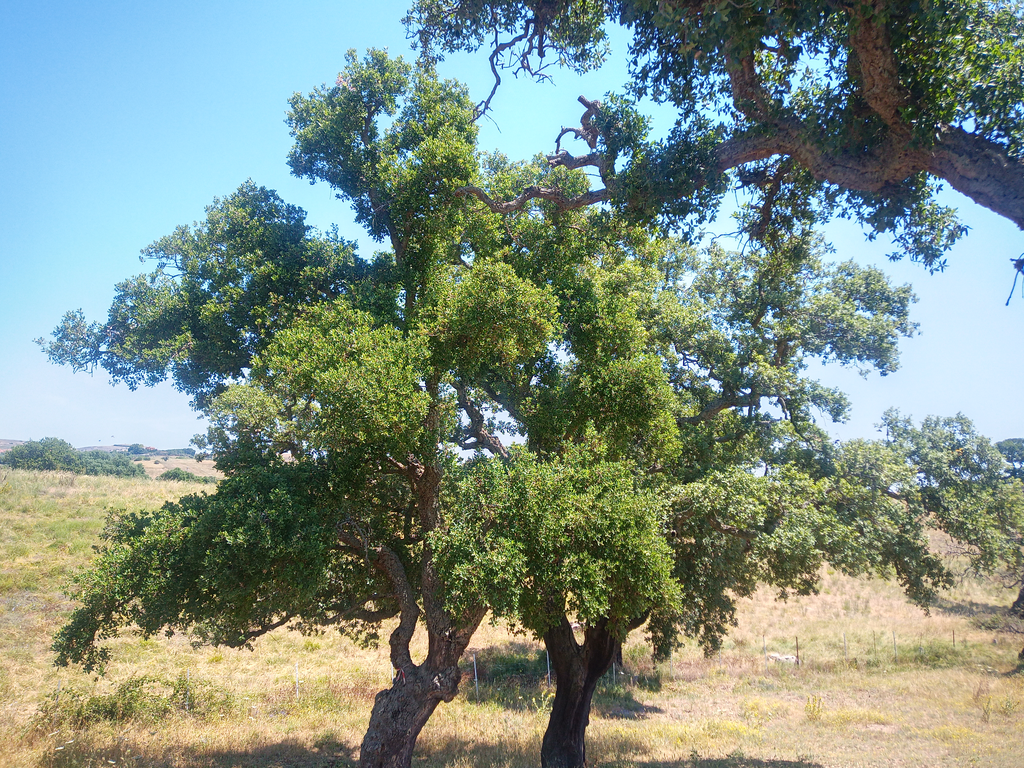
Sardinian context and on-site experience
In Sardinia, field experience has shown that careful and continuous management can significantly slow the progression of Phytophthora Root Rot in oaks.
Trees subjected to regular monitoring and early corrective interventions show a greater capacity for adaptation and a more stable physiological response over time.
This confirms the importance of a professional approach based on agronomic expertise and direct observation of local environmental conditions.
Conclusions
Phytophthora Root Rot in oaks is a complex disease that requires careful attention and a long-term perspective.
Understanding the mechanisms of the disease and recognizing its early signs is the first step toward preserving oak health and protecting the value of tree heritage.